
Arkheron Game Modes: Ascension, Spires and Training
How Ascension and Spires differ, what changed in the launch patch for each mode, and which one to play while you are still learning Arkheron.
Arkheron ships with two competitive modes and two ways to practise them. The difference between the competitive pair is not "bigger map" versus "smaller map" — it is whether the match includes looting and routing at all. That single design choice changes how long a match lasts, how snowbally it feels and what a good player has to be good at.
If the controls are still unfamiliar, the arkheron how to play→ page starts with movement and aim before it touches either mode.
Here is the breakdown, plus the launch-patch changes that invalidate older guides.
Quick answer: Ascension is the flagship mode — ten teams of three, four floors, monsters, shrines and beacons, last team standing. Spires is pure 3v3 across ten floors with a shop between rounds and a win-by-two rule. Training versions of both exist with bots, and Custom Games let you run a lobby with friends.
The modes side by side
| Mode | Teams | Floors | Looting | Best for |
|---|---|---|---|---|
| Ascension | 10 teams of 3 (30 players) | 4 | Yes, chests and shrines | The full Arkheron experience |
| Spires | 2 teams of 3 | 10, plus Endless | Shop only | Learning fights and builds fast |
| Training Ascension | Bots + you | 4 | Yes | Routes without rank pressure |
| Training Spires | Bots + you | 10 | Shop only | Ability practice |
| Custom Games | Your lobby | Varies | Varies | Scrims and content |
Ascension: the tower climb
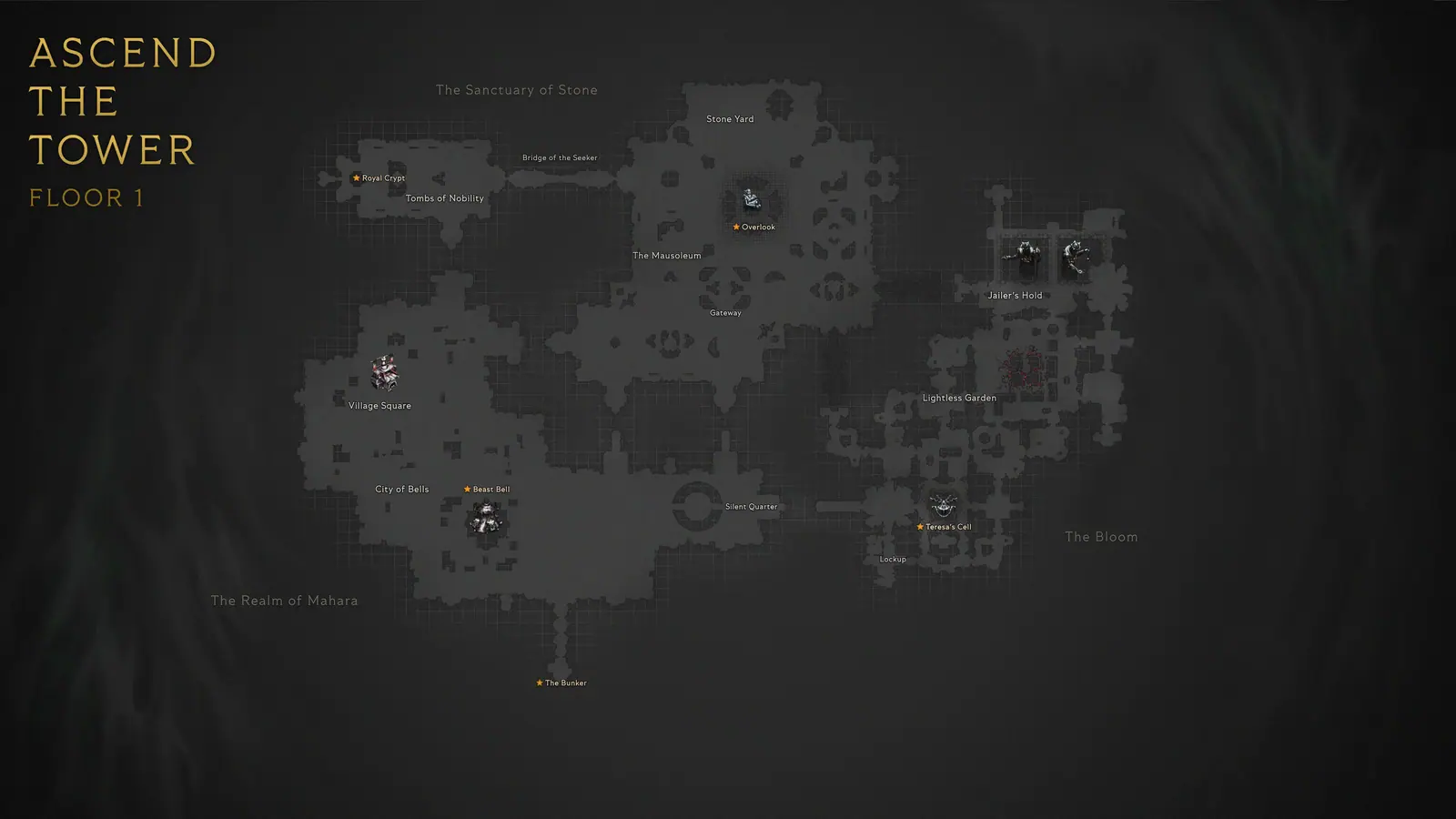
Ascension puts ten squads of three on a four-floor tower. Each floor is a map full of monsters, chests and shrines, and each floor is gated behind beacon control. You fight other teams for the right to go up, and the last two teams meet at the summit.
The arkheron beginner guide→ turns both modes into a first-session plan.
What matters in practice:
- The objective is a fight magnet. Starting a beacon tells every team on the floor where you are. Claim it when your squad is healthy and holding a defensible room, not when you are halfway through looting.
- The map is adaptive. At launch Bonfire introduced a 30-player version of the map that the matchmaker uses to keep queues short. It is the same layout, except the abyss becomes an immediate environmental hazard in some areas, which shrinks the playable space.
- Drops are open. You can land anywhere, and the heat spots on the map update the moment you commit, so you can see where other teams are dropping before you choose. Use that information: landing next to two other squads is a choice, not bad luck.
- High-value routes are signposted. Paid teleporters and doors with the best loot are highlighted in purple. Everyone can see them, which means everyone can camp them.
- Deaths cost loot access. Players who die cannot pick up loot afterwards, so a wipe is not just a numbers disadvantage, it is an economy one.
Spires: the 3v3 arena ladder
Spires strips out the map. Two teams of three, a shop between rounds, and ten floors of increasingly nasty opposition. It is the fastest way to learn what your relics do, because there is nothing else to do but fight.
The launch patch changed Spires significantly:
- Win by two, capped at seven rounds. Close matches go longer, which gives the losing team room to change strategy instead of losing on a single bad round.
- Floors 1 to 10 are economical. The shop is more forgiving early, so you can afford to experiment with a loadout instead of buying the cheapest functional thing.
- Endless does not reset your economy. If you opt into Endless after floor ten, your Fragments and upgrades carry the whole way. The higher you climb, the more your spending decisions from floor one matter.
- Item prices escalate by 25, not 50. That halves the cost of building wide, and it is the main reason support and utility builds are more viable than they were in the beta.
- A random loadout button exists. It fills your consumables and prefers Eternal relics over generic echoes when you cannot decide what to buy.
- Ability objects are cleared each round. Turrets and walls no longer persist, so a defensive setup cannot be stacked across rounds.
Spires also has its own shrine look now, purple instead of the Ascension gold, which is a useful visual reminder that the economy works differently here.
Training and the practice room
Training Ascension and Training Spires both let you set bot difficulty, and the launch build gives you two friendly bots so a practice match resembles a real squad rather than a solo survival run. You can also start practice while queuing: hit Play and you drop into the training room with matchmaking running in the background, so you never sit staring at a timer.
The training grounds include a Monstrous Echo Chamber for testing damage against monsters, which is the fastest way to check whether a relic combination actually kills things.
Custom Games
Custom lobbies are the place for scrims and for testing a comp with friends. Launch added team removal, controller support and team spectators, and custom Spires games can be set to win by a margin of two, so you can mirror the ranked rule in practice.
If you are organising a group, Custom Games is also the only way to guarantee both teams are on the same page about map and mode.
Which mode should you play first?
Play Spires. It removes routing, chests and monsters, so the only variable is you and your relics. Ten rounds of the same two-piece bonus will teach you more than ten Ascension matches where you die to a third party while looting.
Then move to Ascension, ideally with the walkthrough open, and treat the first floor as a route-learning exercise rather than a fight to win.
Ascension is the mode that teaches the map and the economy. Spires is the mode that teaches you to fight a team that has the same budget as you.
FAQ
How many players are in an Ascension match?
Thirty, as ten teams of three. When queues are thin, the game uses a 30-player variant of the map with the abyss acting as an environmental hazard to keep the play space tight.
How long is a Spires run?
Ten floors, and each floor is one fight plus a shop. A clean run takes well under an hour; an Endless run continues past floor ten without an economy reset.
Can I play Ascension solo?
You can queue alone and be matched with teammates, but the game is designed around three-player squads with voice or pings. Solo queue works, coordination is just harder.
Do custom games affect progression?
Custom Games are for practice and scrims. Rewards and progression come from the competitive modes.
Official source: Arkheron Game Overview ↗ · Early Access 1.0 patch notes ↗ · Play Arkheron ↗